


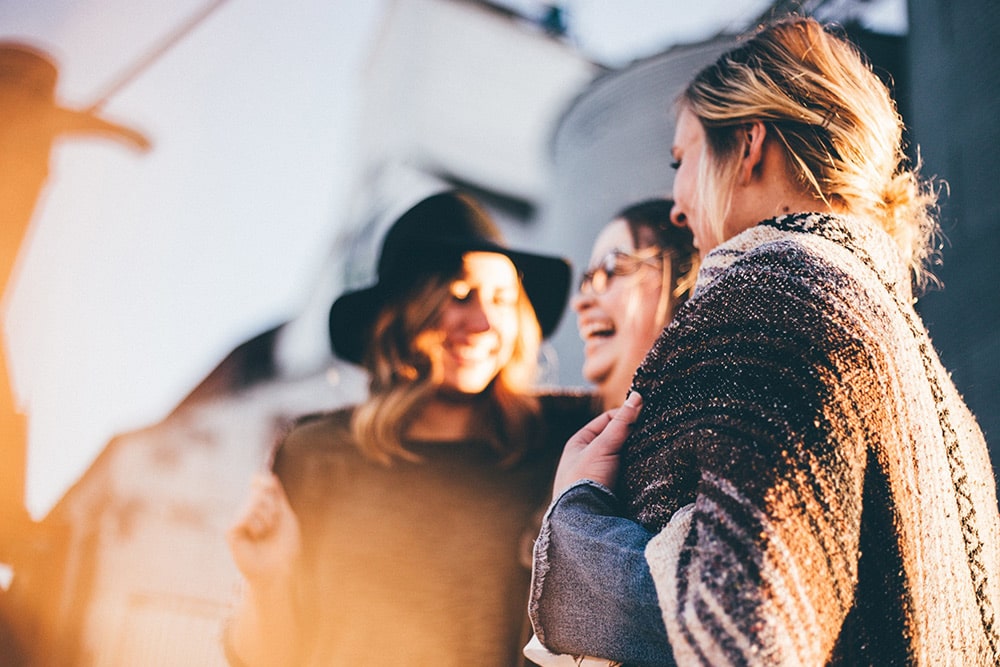
How Do You Survive Social Events Without Alcohol?
Based on real client experiences from social events, weddings, parties, and work functions
Short Answer
Yes — you can survive social events without alcohol. In fact, many people find they enjoy them more once they remove pressure, plan ahead, and change the way they relate to drinking in social situations.
Quick Summary
-
Social events without alcohol can feel awkward at first — that’s normal
-
The discomfort usually comes from habit, not lack of alcohol
-
Planning your drink, exit strategy, and mindset makes a huge difference
-
Most people don’t notice (or care) what you’re drinking
-
Confidence grows quickly after a few alcohol-free events
Why Social Events Feel Hard Without Alcohol
For many people, alcohol has quietly become the social lubricant — not because it’s necessary, but because it’s familiar.
Alcohol often plays three roles at social events:
-
It reduces social anxiety
-
It fills awkward silences
-
It signals “relaxation” or “fun”
When alcohol is removed, the brain initially interprets this as loss. What’s actually happening is habit disruption, not deprivation.
This is why the first few events can feel uncomfortable — but also why it gets easier quickly.
What’s Really Going On in Your Brain at Social Events
Alcohol creates learned associations in the brain:
-
Party = drink
-
Networking = wine
-
Celebration = champagne
According to neuroscience research on habit loops and dopamine response (National Institute on Alcohol Abuse and Alcoholism), the brain expects alcohol to deliver relief or reward.
When you attend a social event without alcohol, the brain initially protests — then adapts.
That adaptation is neuroplasticity, and it’s the reason confidence returns faster than most people expect.
Practical Ways to Survive Social Events Without Alcohol
1. Decide What You’ll Drink Before You Arrive
Walking into an event “to see how it goes” leaves space for impulse decisions.
Instead, decide in advance:
-
Sparkling water with lime
-
Alcohol-free beer or wine
-
Tonic with bitters (if suitable for you)
Holding a drink — any drink — removes most social pressure immediately.
2. Arrive Later, Leave Earlier (At First)
You don’t need to stay for the entire event.
Early evenings are usually calmer, conversations are clearer, and people are more present.
Leaving before energy shifts can protect confidence while you build experience.
3. Expect Mild Discomfort — And Let It Pass
Feeling slightly awkward doesn’t mean you’re doing something wrong.
It means your brain is recalibrating.
Most people report that discomfort peaks within the first 20–30 minutes — then fades.
4. You Don’t Owe Anyone an Explanation
You’re allowed to simply say:
-
“I’m not drinking tonight”
-
“I’m driving”
-
“I feel better without it”
You don’t need to justify, explain, or defend your choice.
5. Notice What Improves (Because It Will)
Alcohol-free social events often come with unexpected benefits:
-
Better conversations
-
More genuine connection
-
Clear memory of the night
-
No next-day anxiety or regret
These positives reinforce confidence faster than willpower ever could.
What About Weddings, Work Events, and Big Celebrations?
Large events often feel intimidating — but they follow the same rules.
Helpful strategies include:
-
Eat before you go
-
Stick close to people you feel comfortable with
-
Take breaks outside or in quieter spaces
-
Focus on one-to-one conversations rather than the crowd
Many people find weddings especially meaningful alcohol-free — because they stay present for the people they care about.
Common Myths About Socialising Without Alcohol
“Everyone will notice”
They won’t. Most people are focused on themselves.
“I’ll be boring”
Alcohol doesn’t create personality — it removes inhibition. Confidence returns naturally.
“I won’t relax”
Relaxation without alcohol is different, but deeper and more sustainable.
Visual Guide: Alcohol vs Alcohol-Free Socialising
Alcohol-Driven Events
-
Short-term confidence
-
Reduced awareness
-
Next-day anxiety
Alcohol-Free Events
-
Real connection
-
Clear memories
-
Emotional steadiness
Trusted Resources Worth Reading
What Should You Do Next?
If social events feel like the hardest part of changing your relationship with alcohol, you’re not alone — and you don’t need to solve it with willpower.
Many people find that once they learn why social pressure feels intense — and how to navigate it calmly — confidence follows naturally.
You may find it helpful to explore our free masterclass on controlling drinking without relying on willpower, or read more real client experiences inside the blog.
Can you really enjoy social events without alcohol?
Yes — although it may feel unfamiliar at first. Many people find that once the initial awkwardness passes, conversations feel more genuine, memories are clearer, and there’s far less anxiety the next day. Enjoyment often returns faster than expected once alcohol stops being the focus.
Why do social events feel harder when you stop drinking?
Because alcohol is deeply linked to habit and expectation. Your brain has learned that socialising equals drinking. When alcohol is removed, the discomfort you feel is usually habit disruption — not proof that something is missing.
What should I drink at a party if I’m not drinking alcohol?
Any drink you enjoy works. Sparkling water with lime, alcohol-free beer or wine, tonic with citrus, or a crafted soft drink all help you feel included without pressure. Holding a drink often removes social attention completely.
How do I handle questions about not drinking?
Keep it simple. You don’t owe anyone an explanation. A calm response like “I’m not drinking tonight” or “I feel better without it” is usually enough. Most people move on quickly.
Does social confidence come back without alcohol?
Yes. Confidence without alcohol develops differently — but it’s steadier and more authentic. With each alcohol-free event, your brain learns that you’re safe, capable, and socially competent without relying on drinking.
I’ve helped hundreds of high-achieving professionals transform their relationship with alcohol since 2018.
By 2025, I’ve supported clients globally to gain long-term control over drinking and live happier, more exciting lives.